What If the General Contractor Doesn’t Pay Me? (Nevada Subcontractor Guide)
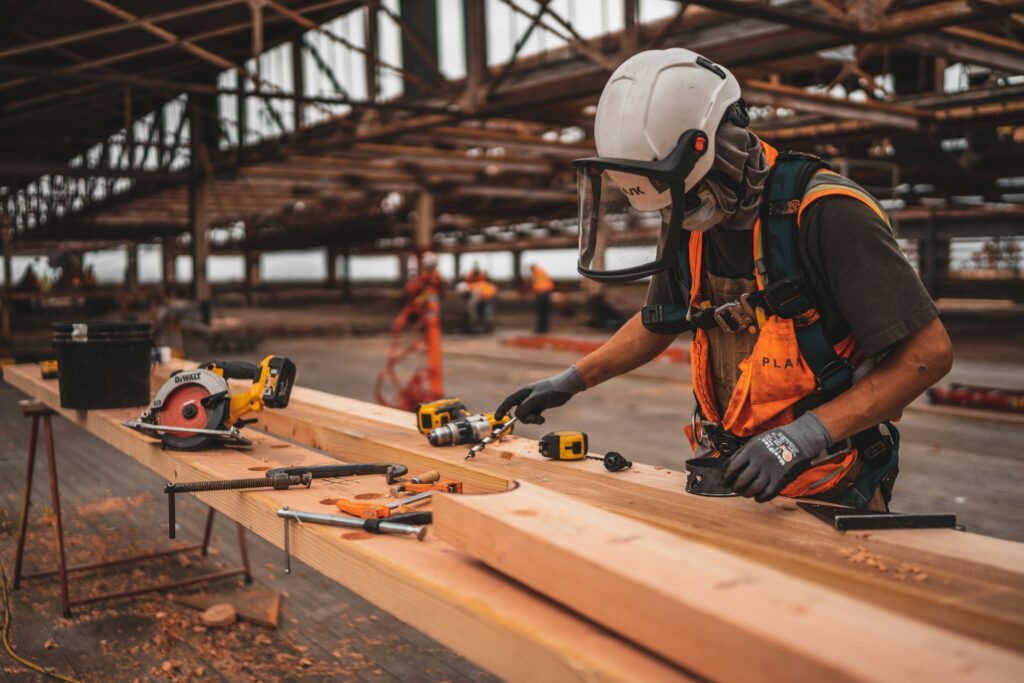
If you are a subcontractor in Nevada and the general contractor stops paying you, you are not alone. Across Nevada, subcontractors finish work, send invoices, and still end up waiting for money that never arrives.
When payment problems begin, it is important to act quickly and understand what legal options may still be available to protect your position.
This guide explains what Nevada subcontractors can do when the general contractor fails to pay, including how mechanics liens, notices, and contract claims may help create leverage and improve recovery options.
Many payment disputes begin long before a mechanics lien is ever recorded. In many situations, the subcontract itself already contains clauses that shift risk onto the subcontractor from the beginning of the project. Narbada IQ helps subcontractors identify risky subcontract language before problems arise on the job — click here to try it for free.
Step 1: Start with Communication
Before escalating the situation, it is usually smart to begin with direct communication.
In construction, some payment disputes initially involve paperwork issues, delayed draws, unresolved change orders, or internal accounting delays.
Reach out to the contractor and confirm:
- whether payment has been issued
- whether owner funding has stalled
- whether additional paperwork is needed
- whether disputes exist involving your work
- whether change orders remain unresolved
For example, imagine you completed concrete work on a hotel renovation in Las Vegas and payment suddenly stops. At first, the contractor says the owner’s lender delayed funding. Weeks later, you discover the project itself may be under financial pressure.
Those details matter.
The earlier subcontractors understand what is happening financially on the project, the stronger their position usually becomes.
Step 2: Understand Nevada Lien Rights
One of the strongest tools available to Nevada subcontractors is the mechanics lien.
Nevada generally requires subcontractors to serve a preliminary notice, commonly called a Notice of Right to Lien, on the property owner, prime contractor, and construction lender within 31 days after first furnishing labor or materials to the project.
If the notice is served late, lien rights may generally only cover labor or materials furnished within the 31 days before service of the notice and afterward. Earlier work may lose lien protection entirely.
That timing catches many subcontractors off guard.
For example, imagine an electrical subcontractor in Reno begins work immediately after mobilizing onto a mixed-use development. Payment problems appear later, and the subcontractor suddenly realizes important notice deadlines may already be approaching.
Residential projects can involve an additional notice step as well. On many Nevada residential projects, subcontractors generally must serve a Notice of Intent to Lien on the property owner at least 15 days before recording the lien. That requirement generally does not apply to laborers, but it can apply to many subcontractors and suppliers. Nevada law also generally extends the lien-recording period by 15 days when this residential notice requirement applies.
Nevada mechanics lien law moves quickly once payment issues begin.
If you want to better understand Nevada lien deadlines and filing procedures, read our Nevada mechanics lien guide for subcontractors.
Step 3: Recording the Nevada Mechanics Lien
If payment still is not made, the next step may involve recording a mechanics lien.
In Nevada, subcontractors generally must record the lien within 90 days after the later of:
the date the last labor, materials, or equipment were furnished to the project, or
the date of completion of the work of improvement
However, if the property owner records a Notice of Completion, subcontractors generally must record the lien within 40 days afterward.
The lien is generally recorded in the county where the property is located.
A properly prepared Nevada mechanics lien commonly includes:
- the claimant’s information
- the owner’s information
- the amount claimed
- the property description
- a description of the labor or materials provided, and
- important project dates
Accuracy matters.
A subcontractor working on a project in Las Vegas generally records in Clark County. A project in Reno may require recording in Washoe County instead. The same applies to projects located in Carson City, Elko County, Douglas County, and throughout Nevada.
Even small filing mistakes can create major enforcement problems later.
After recording the lien, Nevada subcontractors generally must also serve a copy of the recorded lien on the property owner within 30 days after recording.
It is also important to understand that recording a lien does not automatically guarantee payment. What it often does is create pressure.
Once a lien appears in county records, it can interfere with refinancing, sales, title transfers, and future project funding.
That is frequently where leverage begins.
Step 4: Preserving and Enforcing the Lien
Recording the lien does not automatically guarantee payment.
A mechanics lien creates leverage, but subcontractors may still need to take additional legal action to preserve and enforce their rights.
In Nevada, a lien foreclosure action generally cannot be filed until 30 days after the lien is recorded, and the lawsuit generally must be filed within 6 months after recording the lien.
Nevada lien foreclosure actions also commonly involve additional procedural requirements, including filing and serving a lis pendens with the foreclosure lawsuit, serving other lienholders, and publishing notice of the lawsuit in a newspaper for three successive weeks.
For example, imagine a subcontractor in Henderson records a lien after months of unpaid framing work on a retail project. At first, he assumes the lien itself will force payment. But months pass and project disputes continue.
If enforcement deadlines or procedural requirements are ignored, one of the subcontractor’s strongest legal tools may eventually disappear.
Construction laws can be complicated, so it is wise to speak with an experienced Nevada construction law attorney before lien rights or enforcement deadlines expire.
Step 5: Consider a Contract Claim
A mechanics lien is not the only possible remedy.
In many situations, subcontractors may also pursue breach of contract claims directly against the contractor that hired them.
For smaller disputes, small claims court may sometimes provide a simpler and quicker option if the amount falls within Nevada’s jurisdictional limits.
Larger commercial disputes may require more formal litigation.
Legal claims and lien rights are often used together. The lien creates pressure against the property itself, while the contract claim directly targets the responsible party.
If the project owner appears to be experiencing financial trouble or the project itself is running out of money, read our Nevada subcontractor guide on what happens when a property owner runs out of funds during construction.
Why Timing Matters for Nevada Subcontractors
When payment problems begin, timing matters.
Notice deadlines, lien recording deadlines, and enforcement deadlines can directly affect whether subcontractors preserve leverage or lose important rights entirely.
Once projects begin unraveling financially, owners often try to limit losses, contractors focus on protecting themselves, lenders increase oversight, and remaining project funds can disappear faster than many subcontractors expect.
Subcontractors who move early are usually in stronger positions than those who continue relying on verbal promises that payment is “coming soon.”
Narbada IQ Subcontract Review
Most subcontractors do not realize how much risk already exists inside the subcontract itself. Hidden payment clauses, pay-if-paid provisions, broad indemnity language, retainage terms, and one-sided dispute provisions are often buried deep inside the agreement long before payment problems appear on the project.
Narbada IQ helps subcontractors identify those risks before signing the contract. The platform reviews subcontract agreements, flags high-risk language, explains confusing legal provisions in plain English, and provides practical revision suggestions subcontractors can use during negotiations.
Instead of discovering risk after payment problems begin, Narbada IQ helps subcontractors understand their exposure while they still have leverage on the front end of the project. Click here to try Narbada IQ for free.