What Happens If the Property Owner Runs Out of Money in Colorado? (Subcontractor Guide)
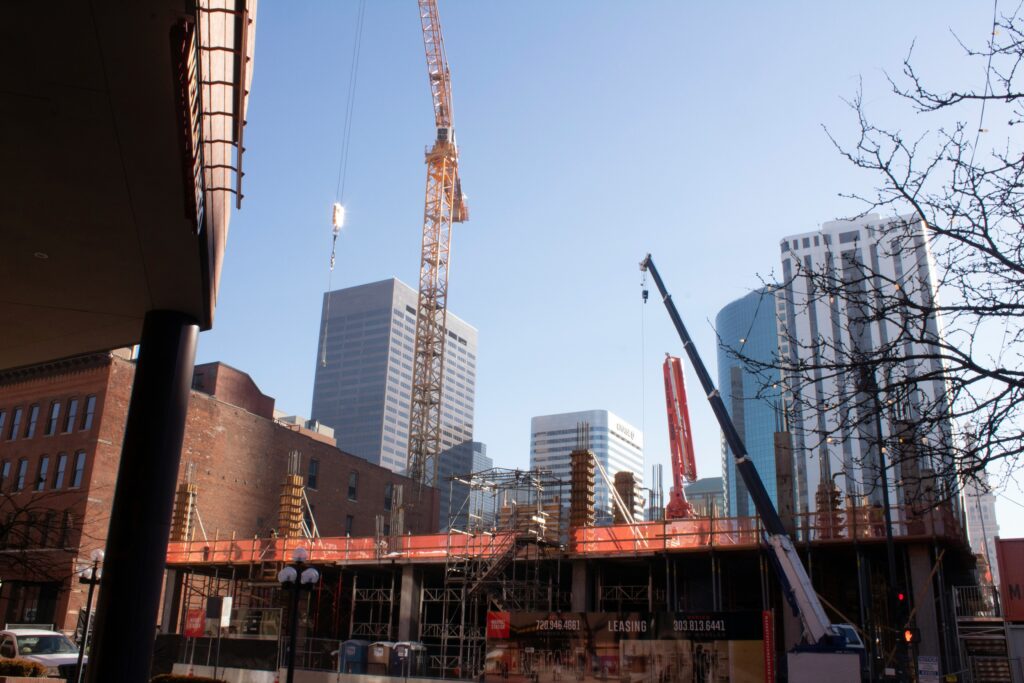
If you are a subcontractor in Colorado and the property owner runs out of money, your payment may suddenly become uncertain.
This situation happens more often than many subcontractors expect, especially on larger commercial developments where financing problems can spread across the entire project quickly.
Once projects begin experiencing financial trouble, delays tend to multiply fast. Payments slow down, lenders become more involved, communication becomes inconsistent, and subcontractors are often left trying to figure out whether they will ever get paid.
This guide explains what Colorado subcontractors can do when a project starts running out of money, how mechanic’s liens create leverage, and why timing often becomes one of the most important factors in protecting your position.
Many subcontractors do not realize that payment problems often begin long before the owner officially runs out of money. In many situations, the subcontract itself already contains clauses that shift major financial risk onto the subcontractor from the beginning of the project. Narbada IQ helps subcontractors identify risky subcontract language before problems arise on the job — click here to try it for free.
Step 1: Determine Whether the General Contractor Was Paid
One of the first questions subcontractors should ask is whether the owner already paid the general contractor for the work performed.
That distinction matters.
If the owner already released payment to the contractor, the dispute may primarily involve the contractor itself. But if the owner has not funded the project, the financial issues may run much deeper.
For example, imagine a subcontractor in Denver completes framing work on a commercial project and payment suddenly stops. The contractor initially claims the draw is delayed temporarily. Weeks later, the subcontractor learns the owner’s financing problems have slowed funding across the entire project.
At that point, the issue may no longer be administrative — it may be a project-wide financial problem.
Understanding where the money stopped flowing helps subcontractors evaluate how aggressively they need to move to protect themselves.
Step 2: Protect Your Position Early
When projects begin running out of money, situations can deteriorate quickly.
The communication becomes inconsistent, payments slow down, other subcontractors begin protecting themselves.
This is not the time to simply wait and hope things improve.
At that stage, subcontractors should immediately begin:
- reviewing lien deadlines
- reviewing notice requirements
- organizing project records and invoices, and
- preparing to preserve lien rights if necessary
Colorado subcontractors generally must serve a Notice of Intent to File Lien at least 10 days before recording the lien statement.
The subcontractors who usually preserve the most leverage are the ones who move early instead of waiting until the project fully collapses financially.
If you are dealing with delayed payment from the general contractor and want to better understand your legal options, read our Colorado subcontractor guide on what to do when the general contractor does not pay you.
Step 3: Mechanic’s Liens Create Leverage
One of the strongest tools available to subcontractors in Colorado is the mechanic’s lien.
A properly preserved lien attaches directly to the property itself for unpaid labor or materials supplied to the project.
That becomes extremely important once owners begin experiencing financial trouble.
For example, imagine a subcontractor in Boulder completes roofing work on a mixed-use development but remains unpaid after the owner’s financing problems begin spreading across the project. The subcontractor properly serves the required notices and records the lien within the required timeframe.
Months later, the owner attempts to refinance the development to stabilize the project financially.
During the title review process, the lien immediately appears in the public records.
Now the subcontractor has leverage that did not exist before.
In Colorado, subcontractors generally must file their lien statement within four months after the last furnishing of labor or materials to the project.
If you want to understand Colorado mechanic’s lien deadlines and how the filing process works, read our step-by-step Colorado mechanic’s lien guide for subcontractors.
Step 4: Multiple Subcontractors May Be Competing for Payment
When financially troubled projects begin falling apart, you are rarely the only unpaid subcontractor.
On struggling projects, it is common to see:
- electricians
- plumbers
- framing crews
- concrete contractors, and
- suppliers,
all filing claims around the same time.
For example, imagine a commercial development in Colorado Springs where several subcontractors suddenly stop receiving payment during the same phase of construction.
At first, everyone hears the same explanation:
“Funding is delayed.”
“The lender is still reviewing paperwork.”
“Payment should be released soon.”
Then the delays continue growing longer.
Eventually, subcontractors begin filing liens and protecting themselves.
At that stage, the subcontractors who acted early are often in significantly stronger positions than those who delayed taking action.
Once projects begin unraveling financially, leverage can shift quickly.
Step 5: Colorado Enforcement Deadlines Can Arrive Fast
A mechanic’s lien does not automatically produce payment.
In Colorado, lien foreclosure actions generally must be commenced within six months after the last work is performed or materials are furnished.
Missing enforcement deadlines can completely extinguish lien rights.
For example, imagine an HVAC subcontractor in Aurora files a lien against a struggling office project after months of nonpayment. Initially, he believes the lien itself will pressure the owner into resolving the dispute.
But months pass and nothing happens.
If enforcement deadlines are missed, the subcontractor may eventually lose one of his strongest legal tools regardless of how valid the original claim may have been.
Courts generally expect lien procedures and deadlines to be followed carefully.
Why This Matters for Colorado Subcontractors
When projects begin running out of money, time and positioning matter.
The subcontractors who preserve notice rights early, track deadlines carefully, and move quickly to protect their lien rights are often in stronger positions than those who continue waiting for verbal promises.
The subcontractors who delay action frequently lose leverage.
If you wait too long, deadlines may expire, other subcontractors may move ahead of you, and remaining project funds can disappear faster than expected.
For example, if several subcontractors remain unpaid on the same commercial project in Denver, the subcontractors who preserve their rights early are often in stronger positions once settlement discussions or project restructuring begins.
Once financially unstable projects begin unraveling, owners usually attempt to contain losses, contractors focus on protecting themselves, and lenders tighten oversight over the project.
If you are not already protecting your position when those decisions begin happening, you may eventually find yourself with significantly fewer options to recover what you are owed.
Colorado lien law is highly technical, and deadlines can vary depending on project structure and property type. Missing a notice, filing, or enforcement deadline may completely eliminate lien rights. Subcontractors dealing with significant payment disputes should strongly consider speaking with qualified Colorado construction counsel regarding project-specific deadlines and procedures.
Narbada IQ Subcontract Review
Most subcontractors never realize how much financial risk already exists inside the subcontract agreement itself. Payment provisions, pay-if-paid clauses, indemnity terms, lien waiver language, and dispute procedures are often buried deep inside the agreement long before payment problems appear on the project.
Narbada IQ helps subcontractors identify those risks before signing the contract. The platform reviews subcontract agreements, flags high-risk language, explains confusing legal provisions in plain English, and provides practical revision suggestions subcontractors can use during negotiations.
Instead of discovering risk after payment problems begin, subcontractors can better understand their exposure while they still have leverage on the front end of the project.
The platform is available in both English and Spanish to better support subcontractors working in the field. If you want to better understand your subcontract before problems arise, explore Narbada IQ and try it for free.